Bioelectricity
Do you care about nature and the climate? Then choose an electricity contract that is 100% renewable bioenergy produced in Kerava.
Our bioelectricity
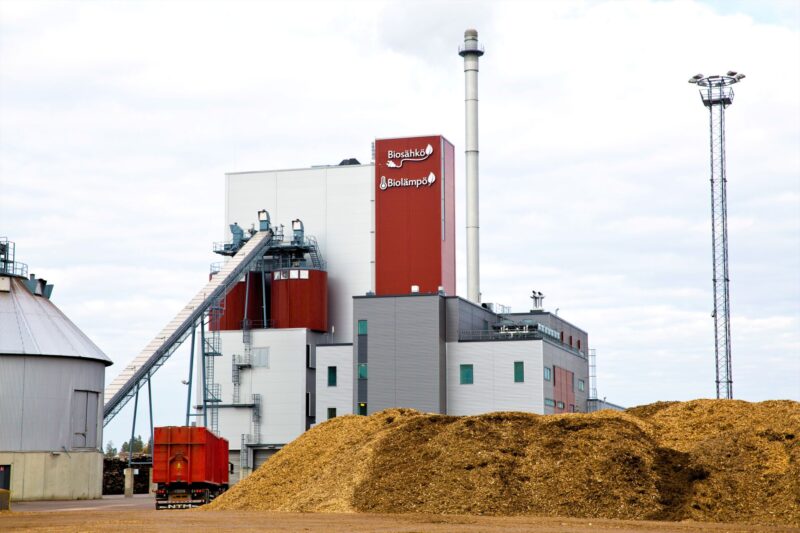
The bioelectricity sold by Keravan Energia, meaning bioenergy, is produced by us ourselves. We have a bio power plant in Kerava where we generate electricity and, as a by-product, district heating. Of the electricity we sell, 25% is our own locally produced bioelectricity, and our production covers up to 75% of the district heating needs in the area.
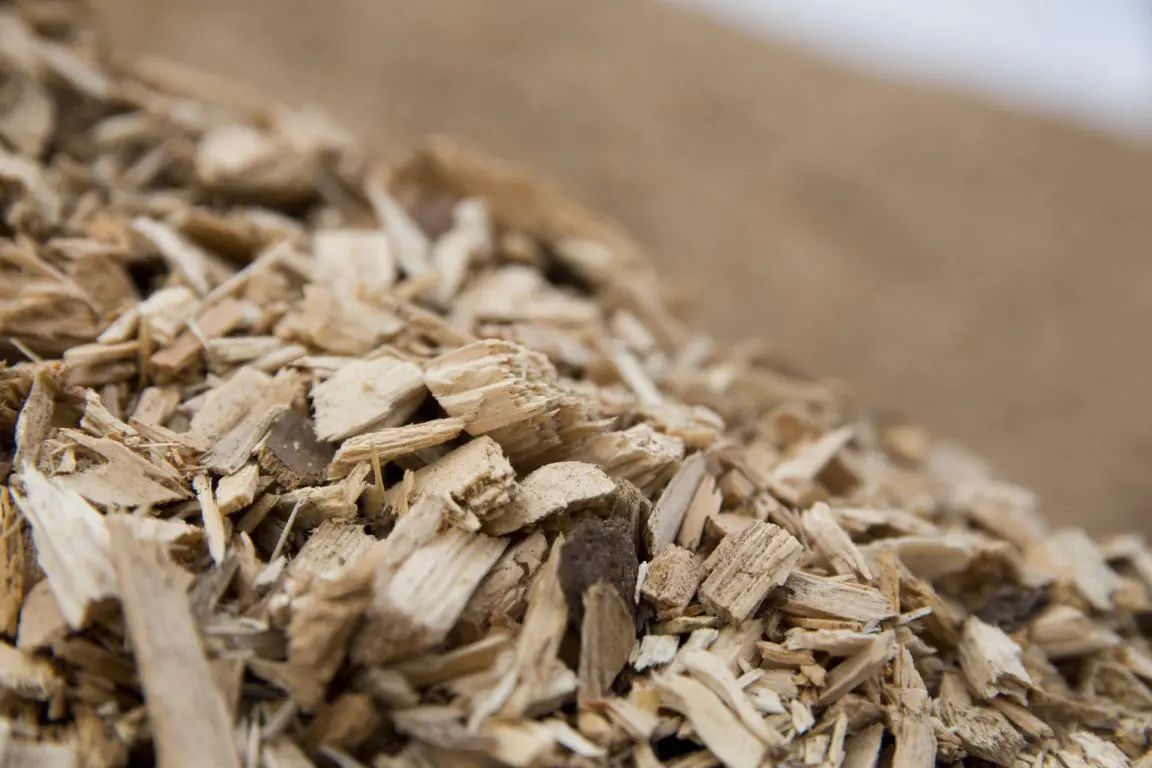
Our biomass consists mainly of forest residue chips from certified and responsibly managed forests (PEFC, FSC), and around a quarter consists of by-products (such as sawdust and bark) from, for example, sawmills. Using domestic biomass also helps us promote greater energy self-sufficiency, improve security of supply, and create new jobs.
Bioenergy is a flexible and renewable energy source that does not increase carbon dioxide emissions. It can be easily adjusted to meet demand, making it an excellent form of energy production alongside weather-dependent energy sources such as solar and wind power.
Our bioelectricity contracts
Bio Quarterly Electricity
- Indefinitely valid
What is bioenergy and how is bioenergy used?
Simply put bioenergy is produced from biomass. LINKKI Biomass is made from renewable natural resources such as agricultural crops and trees. The raw materials can be grown specifically for their energy content (energy crops), or they can consist of by-products from industries such as agriculture, food processing, or wood production.

The following are used to produce bioenergy:
- Food industry residues, such as oil from restaurants
- By-products from the forest industry and forestry, such as forest chips, tree bark, and sawdust
- Field crops and agricultural residues, such as reed canary grass, corn, and wheat
- Manure from animal husbandry
- Energy crops, such as willow and water hyacinth
Biofuels
When biomass is processed into a liquid fuel, it is called a biofuel. Biofuels correspond to fossil fuels such as petrol and diesel. Biofuels are used in cars, trucks, airplanes, ships, etc.
Biodiesel is a common biofuel with the same properties as fossil diesel. Biodiesel is produced from rapeseed, soybeans, corn, palm oil, or cooking fat from restaurants. Biodiesel can be used in conventional diesel engines.
How does biomass produce energy?
Dry, combustible raw materials such as wood pellets are burned in boilers or furnaces. This boils water and produces steam, which turns a turbine and generates bioelectricity.
Wet raw materials, such as food waste, are placed in sealed tanks where they decompose and produce methane gas (biogas). The gas is collected and burned to generate electricity, or it is fed into the gas grid where it can be used for heating, among other uses.
Is bioenergy environmentally friendly and sustainable?
When biomass is burned, it releases roughly the same amount of carbon dioxide as would be released if the same biomass naturally decomposed. However, this carbon is reabsorbed by growing forests, meaning it does not disturb the carbon balance of the atmosphere.
By contrast, burning fossil fuels releases carbon dioxide that has been stored for millions of years and originates from a period when Earth’s atmosphere was very different. As a result, fossil fuels add additional carbon dioxide to the atmosphere and disrupt the carbon balance.
By replacing fossil fuels with biomass, we can reduce greenhouse gas emissions and also other negative impacts of energy production, such as heavy metal and sulfur emissions.
Sustainability criteria for biomass
“To ensure that forest biomass is produced sustainably, it is required that there are certain national or regional laws in place at the country level, as well as systems for assessment and promotion.” — Ministry of Agriculture and Forestry
According to the EU directive, Finland uses a risk-based assessment model in which the following criteria are evaluated:
- the legality of logging operations
- Forest regeneration on harvested areas
- Protection of areas designated for nature conservation
- Preservation of soil quality and biodiversity during logging operations
- Maintaining and improving the long-term productive capacity of forests.
Benefits and disadvantages of bioenergy
The most optimal option for the environment and climate is when biomass and biofuels are produced from waste or agricultural residues. However, if biofuels are produced from forest products, there is a risk that production is not sustainable—for example, rainforests may be destroyed and replaced with oil palm plantations.
Bioenergy is a renewable energy source, but the regrowth of forests after harvesting takes a relatively long time. When green manure or energy crops are grown on fields that would otherwise remain fallow, part of the crop residues can be used as biomass while the soil itself improves through green fertilization. However, if forests are cut down to create more farmland, this is not as sustainable.
In summary, the sustainability and environmental benefits of bioenergy depend on the raw materials used.
Bioelectricity and bioenergy production in Finland
In Finland, bioenergy accounts for 74% of renewable energy, covering about 30% of the country’s total energy consumption.
We use biomass from forests, peatlands, fields, and food waste to produce district heating as well as bioelectricity and biogas for the agricultural and industrial sectors.
Peat
In Finland, peat has traditionally been widely used as a biomass fuel, but in recent years political decisions and climate concerns have significantly reduced its use.
The main problem with peat is that, although it is a form of biomass, it is not classified as renewable but as “slowly renewable,” because its formation takes thousands of years. When peat is burned, it emits 106.0 grams of carbon dioxide per megajoule (MJ) of energy produced.
Therefore, peat is not considered a sustainable energy source, even though it is used for bioenergy production.