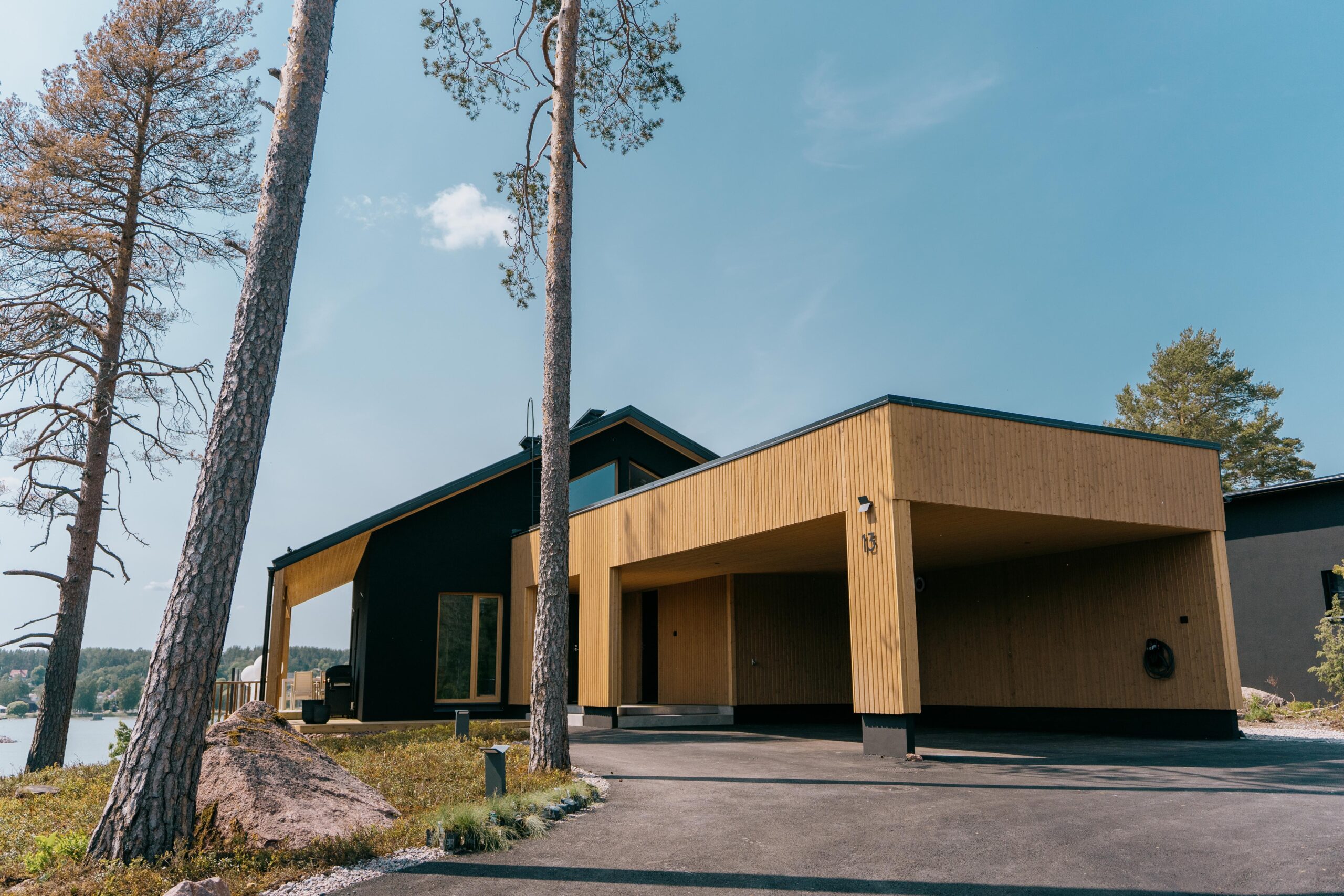
Electricity contract for a detached house
Are you moving into a detached house or a row house—or do you already live in your own home? In that case, it is particularly important to consider which electricity contract suits you best. Detached houses usually have higher electricity consumption than apartment buildings. Naturally, higher electricity consumption means higher electricity bills.
Do you need help choosing the right electricity contract for a house?
Read below to find out what to consider when setting up an electricity contract for a detached house. We present the different types of electricity contracts we offer and provide advice on how best to compare contracts and prices, as well as other factors worth considering.

What is the best electricity contract for a detached house?
Before heading to a comparison site like sahkonhinta.fi to compare electricity contracts and prices, it is worth considering what you expect from your electricity contract.
- Should the contract be open-ended (valid until further notice) or fixed-term?
- Do you want a fixed electricity price that doesn’t change every month?
- Can you handle the price fluctuations associated with market-priced (spot) electricity?
- What is your energy consumption?
When choosing an electricity contract for a detached house, it is worth considering your needs and your household’s financial situation. If your budget can withstand temporary price spikes associated with variable market rates, you can also benefit from lower prices as soon as electricity costs drop. However, if you prefer lower risk and greater security, you might want to look into fixed-term contracts, where the price remains constant throughout the contract period and does not fluctuate.
Fixed-term electricity contract for a detached house
A fixed-term electricity contract guarantees a stable electricity price, regardless of the weather or season. Your electricity price remains the same throughout the contract period, so only your own energy consumption affects your electricity bill.
- Perussähkö contract gives you a fixed electricity price per kilowatt-hour. The fixed price is determined at the time the contract is made and is not affected by fluctuations in the electricity market. This is a secure option if you want to avoid unexpected costs.
- Joustosähkö is a fixed-term electricity contract with a fixed base price. The difference compared to a standard fixed-term contract is the +/- consumption impact, which can raise or lower the base price depending on the timing of your consumption.
- Kvartaalisähkösopimus is both a fixed-price and an open-ended contract. This means there is no binding contract term, even though you have a fixed electricity price for a three-month period at a time. The price can therefore change, but only four times a year. We notify customers of price changes one month in advance.
Spot-priced electricity in a detached house
The main advantage of an electricity contract where the price fluctuates according to the daily market rate is that, over the long term, it has proven to be the most cost-effective option. Another benefit is that you reap the rewards immediately if the price of electricity drops sharply. A downside of the contract is that your finances must be able to withstand sudden price spikes. The market price changes hourly throughout the day, meaning it can both rise and fall.
- Fiksusähkö contract is linked to the Nordic electricity market spot price and fluctuates on both a seasonal and daily basis. “Fiksusähkö” is an hourly-metered electricity contract that is valid until further notice and carries a two-week notice period for termination.
Tip! If you have a spot-price contract, you can optimize your electricity usage for the hours when the price is lowest—for example, by doing laundry during cheaper hours. Check our energy saving tips.
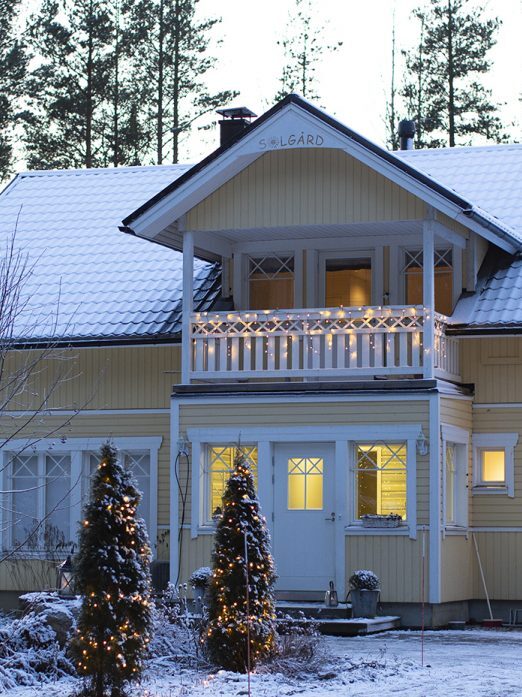
What is the normal electricity consumption for a detached house?
A detached house naturally has a much higher energy consumption than an apartment. High energy consumption leads to a high electricity bill, even if the price per kilowatt-hour in the contract is the same as for a small studio apartment. It is therefore worth monitoring your expenses from time to time to get a rough idea of electricity costs at different times.
The normal annual electricity consumption for a house heated by electricity averages between 20,000 and 25,000 kWh. If the house is connected to a district heating network or has an air-source heat pump, electricity consumption can be as low as 5,000 kWh per year. This figure covers total electricity consumption, not just the electricity used for heating.
The number of residents also affects energy consumption; the more residents there are, the more electricity is used. A family with children is very likely to consume more electricity than a retired couple—the washing machine runs several times a week, and the dishwasher is filled daily.
surplus energy
Sell your surplus electricity to us!
Do you have solar panels on your house? Since sunlight varies throughout the year, the energy output from your solar panels fluctuates—sometimes it’s just right, sometimes too little, and sometimes too much. That’s why having a good electricity contract is important: it allows you to balance out production peaks while ensuring a reliable electricity supply. We would be happy to purchase your surplus energy!